Chlorhexidine Mouthwash: Great for Dental Patients
One of the most reliable antimicrobial rinses in modern dentistry is chlorhexidine mouthwash. At our dental office, we frequently also prescribe it to assist patients in dealing with gum issues, infections, and to help patients heal after dental treatment. The reason is that chlorhexidine mouthwash is a gold-standard intervention to manage various conditions of the mouth due to its high levels of antibacterial protection and long-term effects. It is a more detailed guide as to what it is, how it works, how to use it safely, who should avoid it, and what the alternatives are.
You can visit our previous article on unbreakable optimism if you’re concerned about that.
What is Chlorhexidine Mouthwash?
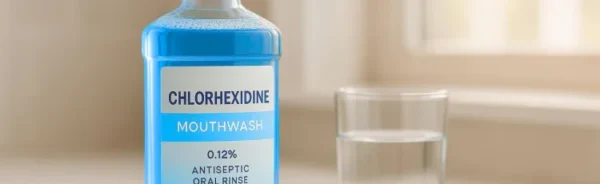
Chlorhexidine mouthwash is a prescription-grade mouthwash which was developed based on the chlorhexidine gluconate concentration, typically 0.12 or 0.2%. It is to kill bacteria responsible for causing gum disease, infection, and inflammation. The rinse is bonded to the teeth and the gums and the other soft tissues, and thus works long after spit has removed it.
Chlorhexidine mouthwash is mainly applied in dentistry since it provides a wide range of antimicrobial coverage. It decreases detrimental bacteria that cause gum bleeding, poor breath, plaque accumulation and oral infections. Although other over-the-counter products boast similar benefits, none is as effective as chlorhexidine mouthwash, hence the popularity of the latter in dental clinics all over the world.
Although there are some debates online about whether or not chlorhexidine is still in use, or if it is being phased out, the fact remains that it remains a common clinical device. It is just that dentists prescribe it only more selectively nowadays to avoid misuse and taking needless side effects.
Mechanism of Action of Chlorhexidine Mouthwash.
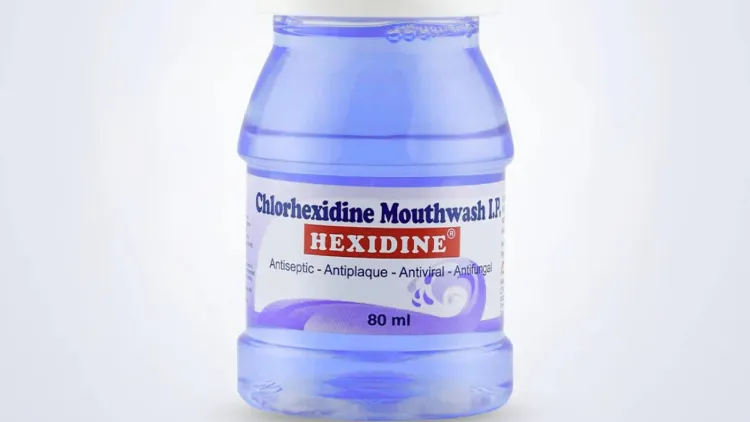
Chlorhexidine is effective because it attaches to surfaces within the mouth and releases antibacterial activity slowly through the course of the day. This is what is referred to as substantivity and is what makes the chlorhexidine mouthwash more effective as compared to the regular mouthwash.
It has several essential functions:
- Destroys gum disease-causing bacteria.
- Eliminates the development of plaque and tartar.
- Prevent postoperative infections in dentistry.
- Reduces gum inflammation
- Messy breath due to bacterial formation.
- Helps shorten the healing time of inaccessible places.
Such an effect of chlorhexidine mouthwash is that since the product has long-term protection, the patient can often see significant improvement after just a few days of regular use.
In the case of Our Dental Clinic, Prescribing Chlorhexidine
Chlorhexidine mouthwash is provided when it is needed and never in the long term. It is particularly useful when there are the following situations:
1. Gingivitis (Early Gum Disease)
Chlorhexidine lowers the activity of bacteria and inflammation, which contributes to faster healing of gums. It is commonly prescribed when bleeding gums do not stop even after brushing them on a regular basis.
2. Periodontitis (Advanced Gum Disease)
After deep cleaning (scaling and root planing), chlorhexidine mouthwash must be used to ensure that there is a cleaner environment, and the gums may reattach and heal.
3. After Surgery or Dental Surgery
It is usually prescribed following the following procedures:
- Tooth extraction
- Dental implant placement
- Crown lengthening
- Periodontal surgery
- Scaling and polishing
It has an antimicrobial effect which serves to protect the areas requiring healing and reduces the possibility of getting infected.
4. Soft Tissue Infection or Oral Ulcers
Chlorhexidine can decrease irritation, pain and bacterial numbers to enable soft tissue to recover more effectively.
5. Limited Brushing Ability
During the process of recovering after surgery, the elderly or individuals with some form of disability may temporarily adopt the use of chlorhexidine mouthwash when it is hard to brush their teeth.
6. Halitosis Due to Bacteria
Bad breath associated with gum disease or accumulation of bacteria usually resolves within a short period of time when chlorhexidine is used.
The Proper Use of Chlorhexidine Mouthwash.
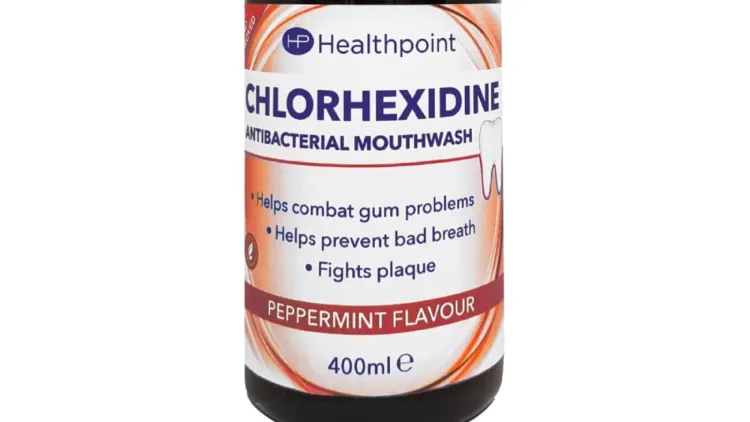
This is important in ensuring that the best outcome is achieved and the side effects are minimised by the use of chlorhexidine mouthwash.
Step-by-Step Instructions
- Brush teeth, and then wait 30 minutes and then apply chlorhexidine mouthwash.
- (Its strength can be weakened by the addition of (Toothpaste ingredients to it).
- Measure 10–15 ml of the mouthwash.
- Rinse, lightly, for 30 seconds and spit it out.
- Swallowing chlorhexidine mouthwash is not to be done at all.
- Do not eat, drink or rinse 30 minutes later.
- Take it twice a day or only when instructed by your dentist.
Best Time to Use It
The largest and greatest number of patients can benefit from taking chlorhexidine mouthwash in the morning following a meal and at night, so that the highest level of antibacterial care is observed both during the day and at night.
Duration of Use
The maximum length of using chlorhexidine should be 12-13 weeks, but it should be under he management of a dentist. It is neither safe nor advisable as a long-term daily agent due to the possibility of side effects, although infrequent short-term daily agent use in specific instances is absolutely safe.
Advantages of Chlorhexidine Mouthwash.
Chlorhexidine mouthwash should be used in the following way, giving a major benefit to oral health:
- Reduced plaque and tartar
- Decreased gum bleeding
- Reduced risk of post-treatment infection.
- Coughing, Bacterial overgrowth, Fresh breath.
- Improvement of gums and soft tissue healing.
- More protection for patients with weak immune systems.
Most patients start experiencing the tangible improvement in five to seven days of adequate use.
Further Side Effects(and How to Reduce Them)
Chlorhexidine mouthwash is not harmful; however, as similar to any other drug, it might have temporary side effects.
1. Tooth and Tongue Staining
Side effects include common brownish staining, particularly during long use. This stain is not forever, and it is easy to polish it when you clean your teeth.
2. Taste Alteration
Some of the patients also develop temporary taste changes, which vanish after stopping their use.
3. Dry Mouth or Mild Burning
There would be mild tingling or dryness in the first few days.
4. Tartar Accumulation
Its regular use might lead to greater accumulation of tartar, hence its restrictive use by dentists.
5. Allergic Reactions (Uncommon but Severe)Indications
Indications of an allergic response may be swelling, rash, or difficulty breathing. Even though this is very rare, this is a grave medical response and must be addressed immediately.
Side Effects of Corsodyl & Peridex.
Brands such as Corsodyl and Peridex contain chlorhexidine, which has the potential to cause the same common side effects, including staining, dry mouth, and changes in taste. They can be used safely without any long-term use.
Who Should Not Take Chlorhexidine Mouthwash?
The Chlorhexidine mouthwash should not be used in:
- Individuals who develop known chlorhexidine allergies.
- Children are not intentionally taught.
- Accidental mouthwash frequently occurs in patients.
- Those individuals who are allergic to alcohol-containing rinses.
- Pregnancy and Breastfeeding Safety.
- During the first trimester, most dentists would not prescribe chlorhexidine mouthwash, but it could be used later on as long as the benefits exceed the risks.
- Peridex is a chlorhexidine brand that is mostly regarded to be safe in pregnant women who are under professional care.
- Chlorhexidine is also believed to be safe in the process of breastfeeding since its absorption is low.
Nevertheless, not all pregnant patients would like risky methods. In the case of pregnancy gingivitis, saltwater rinses or alcohol-free antimicrobial mouthwashes or natural remedies recommended by the dentist can be suggested.
Chlorhexidine vs. Regular Mouthwash
| Feature | Chlorhexidine Mouthwash | Regular Mouthwash |
| Purpose | Treat gum disease & infection | Freshen breath |
| Strength | Prescription antibacterial | Mild antimicrobial |
| Usage | Short-term, dentist-guided | Daily long-term use |
| Effectiveness | Very high | Moderate |
The majority of commercial products, such as Listerine, are not chlorhexidine mouthwash. They can assist in breath freshness but can never take the place of chlorhexidine, which is used as a prescription to treat gum issues.
Substitute for Chlorhexidine Mouthwash
There are patients who might require a substitute as a result of an allergy or preference. Effective options include:
- Saltwater Rinses: Smooth, natural and free of any side effects -particularly during pregnancy and after dental procedures.
- Hydrogen Peroxide (Diluted): May be applied periodically, however, only with dental instructions, since excessive use can lead to irritation of tissues.
- Essential Oil Mouthwashes: Tea tree, peppermint, or clove products have natural antibacterial properties.
- Antimicrobial Rinses containing alcohol: Softer alternatives in everyday long-term care.
- Mechanical Cleaning: Brushing, scaling, and flossing are the most effective methods of regulating bacteria.
- Should Chlorhexidine be applied to cats? Some veterinary products can be administered using chlorhexidine, although human chlorhexidine mouthwash should never be given to pets. The right kind of formulation can be prescribed only by a vet.
- Natural Bacteria Fighters: Green tea, xylitol gum, coconut oil, and probiotics are some of the foods that reduce bad bacteria.
Final Thoughts
Chlorhexidine mouthwash is a successful and time-tested agent in the control of gum disease, controlling infections, and enhancing dental treatment healing. It can make a significant difference in oral health when it is used properly and only in cases when it is prescribed. Nevertheless, it is not a long-term daily bath, and should be administered under the supervision of a professional to prevent unnecessary side effects.
We are our dental clinic and are here to assist you should you have gum disease, recurring bad breath, mouthwash due to pregnancy, or if you are hesitant when using chlorhexidine mouthwash. We will be able to examine your state and prescribe the best and safest mode of treatment, as well as the right alternatives when necessary.
Frequently Asked Questions
1. What is the working speed of chlorhexidine mouthwash?
The chlorhexidine mouthwash is typically initiated to reduce the disastrous bacteria even within a few hours of initial use. The majority of patients report a decrease in gum bleeding, inflammation and increased freshness after 57 days of regular use as advised.
2. Can you use chlorhexidine mouthwash daily?
When applied under the guidance of a dentist, it is safe to use on a short-term basis. Chlorhexidine mouthwash cannot be taken in the long-term due to its potential to cause staining, changes in the taste and an increase in tartar formation. Normally, dentists would suggest it be used for 1-2 weeks unless your case demands long-term care.
3. Who is not to use chlorhexidine mouthwash?
Every individual who knows that he or she happens to be allergic or has a very young child, and those who cannot easily spit out mouthwash rather than swallow it, should avoid chlorhexidine mouthwash. The alcohol-related products must also be provided to the individuals who are sensitive, as recommended by the dentist.
4. Which alternatives are the most effective alternatives to chlorhexidine mouthwash?
A number of these are good depending on your mouth status. Good substitutes involve saltwater rinses, alcohol-free antimicrobial mouthwashes, essential oil rinses, and diluted hydrogen peroxide (under a dentist’s recommendation). Green tea, xylitol gum, and coconut oil can also come in handy as substitutes, as long as it is used to help support natural antibacterial.