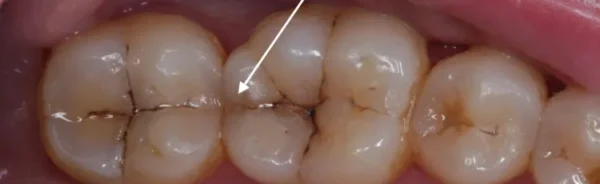
Crack Teeth: Great Treatments, Causes and Preventions
Crack teeth problems occur when a small or large crack is created in enamel, dentin or the root. These are the cracks that seldom fix themselves, and most of the time, they must be treated by professional dentists either with bonding, crowns or root canal. Failure to treat a cracked tooth may result in pain, infection or loss of the tooth. Even those that have deep fractures could be rescued with early diagnosis of a cracked tooth. The prevention of the problem also includes the avoidance of hard food, using mouthguards, and ensuring good oral hygiene.
You can visit our previous articles if you are concerned about dental services like chlorhexidine mouthwash and PRF.
What Is a Crack Teeth?
A tooth is said to be broken in case it is fractured, either small or deep. The cracks are so small, and some of the cracks even divide the tooth, seen only under magnification. Crack teeth may happen both to adults and to children, but in older individuals whose enamel has worn out, there is a higher vulnerability. Cracks may begin on the chewing surface or close to the root and may be exacerbated with each day of chewing. Fractures do not heal naturally because enamel does not have healing capabilities. A dentist is the only one who can stabilise or save a broken tooth, and that is why the perfect treatment must be done as early as possible.
Types of Crack Teeth
1. Craze Lines
Craze lines are fine cracks that take place on the enamel surface. They occur very frequently in adults, without any pain. Unless these lines are impacting the way your smile looks, these lines do not need treatment. They may be harmless, but technically, they fall within the range of problems of cracked teeth.
2. Fractured Cusp
A fractured cusp is a situation where the chewing surface of a tooth becomes fractured. This normally occurs in dental fillings, where the enamel around them becomes weak. Even though such a crack may not destroy the root as often, it still has to be addressed using dentistry to stop further fragmentation.
3. Cracked Tooth
It is an advanced type of crack that forms a vertical direction towards the root. It can be painful to chew, sensitive to temperature or cause occasional pain. When diagnosed early, a broken tooth can be treated using a crown or root canal.
4. Split Tooth
A split tooth is a tooth fracture so severe that it goes all the way out, untying the tooth into two parts. Very often, only one part of the tooth can be preserved- none sometimes. Split teeth are the extreme form of cracked teeth, and usually, a cracked tooth will have to be extracted or heavily restored.
5. Vertical Root Fracture
This kind of crack occurs on the inside of the root and extends upwards. These cracks can be left untreated for very long durations of time since, in most cases, they do not cause any pain. They are normally identified once an infection grows around the root.
Usual reasons for cracked teeth
The occurrence of crack teeth is due to a number of reasons and is actually more of a combination of habits, wear, and pressure of biting.
- Chewing Hard Foods: Excessive force on the enamel is exerted when biting on ice, hard candies, nuts or even unpopped popcorn kernels. This force may either produce an instant crack or may weaken the tooth gradually.
- Teeth Grinding (Bruxism): Sleep grinding or compressing, particularly during sleep, is also one of the most common causes of crack teeth cases. Grinding pressure may be many times greater than in regular chewing, which will eventually lead to fracture of the enamel.
- Injury or Trauma: There is no need to argue and prove that a blow to the face, a fall, a sports injury, or an accident will instantly crack a tooth. Although pain is not immediately observed, the tooth might still contain some micro-fractures, which deteriorate in the future.
- Huge Fillings or Fractured Teeth: A tooth that has a big filling will not have many natural structures left, and therefore, it is more likely to crack. Proper protection of crowns also results in teeth that have been treated using root canal being more brittle.
- Temperature Changes: When a person drinks something cold soon after taking something very hot, the enamel will expand and contract at a high rate. This tension leads to cracks in the long run.
- Age: The issues of crack teeth are most likely to be experienced by people aged 40-60 because of all-time wear.
Symptoms of a Cracked Tooth
The presentation of having a cracked tooth may not be easy due to the inconsistent nature of symptoms.
Nevertheless, a fracture may be reflected by such signs as follows:
- Painful bite or chewing.
- Only pain is involved in releasing pressure.
- The ability to be sensitive to hot, cold, or sweet substances.
- Tenderness or pain of the surrounding tooth.
- Problem finding the source of the pain.
- Sensitivity that is not seen to decay.
Not all the cracks are painful, yet even the one without a sort of pain raises a certain alert, and their neglect would result in crack infection, causing tooth loss.
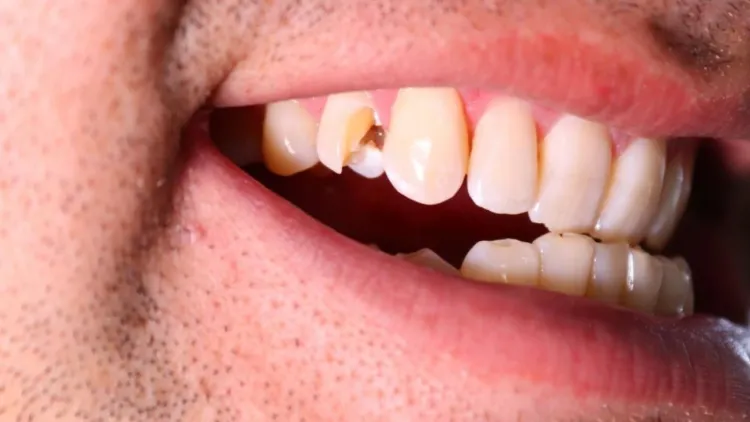
What is the Diagnosis of a Cracked Tooth?
To diagnose crack teeth, dentists use several tools and techniques:
- Physical tests to detect clear fractures.
- Enlarged enamel lines to be observed.
- Transillumination, in which a light is shone on the tooth.
- Sometimes, cracks fail to feature in X-rays; however, dental X-rays.
- Bite tests to locate pain
The thinness of cracks may be so high that a mixture of methods may diagnose the condition. In some cases, the dentist can mark phases of the crack, using the so-called 2-2-2 rule, usually referring to the depth, direction of the crack and its role in deciding treatment.
Treatment of Cracked Teeth
Treatment not only relies on the severity, location, and depth of the fracture, but also on the right treatment.
The majority of broken teeth are repairable, although it is important not to delay.
Bonding
- In small cracks, light bonds bonded with resin would provide a solution, as the crack can be closed and put to use again.
Dental Crown
- The complete tooth is covered by a crown, which prevents further cracking. Treatment of moderate cases of crack teeth, with the exception being those where the crack is not at the root, is best treated with crowns.
Root Canal Therapy
- When the pulp is involved in the crack, the tooth can be infected. The root canal procedure cleanses the dead tissue, gets rid of infection and does not need to extract the tooth. Quite a few cracked-down teeth are able to be rescued when the line of breakage has not split the tooth in two.
Extraction
- Tooth splitting, or when the crack goes deep into the root, one may not be in a position to save the tooth. Unremovable teeth are usually completely detached or badly spliced in the root. In them, debridement is required so as to avoid the transmission of infection to the surrounding tissues or organs.
Costs
Prices of restoration of a broken tooth can differ greatly:
- Bonding: low to moderate
- Crown: moderate to high
- Root canal + crown: higher
- Extraction + implant: highest
Dentists tend to prescribe the least invasive type of treatment that will still help to retain a tooth.
Will a Cracked Tooth Heal by Itself?
A fractured tooth is incapable of self-healing. Enamel is non-living, and this implies that fractures are incurable. Leaving any cracked tooth without treatment will only allow the crack to remain, and the bacteria to get inside the tooth, which may lead to the emergence of infections that may spread to the tissues around it and even enter the bloodstream of our body in case oral bacteria spread to other tissues in the body.
Prevention Tips: How to stop cracked teeth.
Disease prevention of crack teeth is a daily activity as well as good oral care.
- Avoid Hard Foods: Avoid chewing hard objects or ice. A single accidental bite will be destructive.
- Wear a Mouthguard: When you grind your teeth when you are asleep or when you are in a game, a mouthguard takes care of your enamel, and it is not under regular pressure and impact.
- Practice Good Oral Hygiene: Brushing twice a day is ideal. There is no trouble with brushing teeth three times a day when this process is done lightheartedly, yet when overdone, brushing may lead to the enamel wearing out, and the chance of cracks increases.
- Avoid Using Teeth as Tools: Use your teeth to open bottles and packages and break nuts.
- Regular Dental Checkups: Checkups made regularly assist in identifying minor cracks before they deteriorate. Dentists can also detect an early indication of chips that would suggest a deeper underlying frailty.
- Diet for Stronger Enamel: Calcium, Vitamin D, and phosphorus make teeth strong, which minimises the risk of crack teeth.
When to See a Dentist
You must consult immediately when you develop:
- Pain while chewing
- Explanations are insensitive.
- Visible cracks or chips
- Acute swelling or gum urticaria.
A tooth which had been broken a few weeks or months ago may become worse when not given attention. There is a point at which the tooth could not be salvageable. A number of the cracked teeth will be salvageable even when the fracture extends deep, but once the crack has cut through the root, then no treatment can be performed.
Final Thoughts
The issue of crack teeth is prevalent than most individuals are aware of, yet with timely and proactive action by individuals, a majority of cracked teeth can be countered and maintained. Its secret is not to overlook the initial symptoms. Regardless of whether a tooth has been chewed d hard foods, been processed in a grinder, broken, or worn off, the faster the treatment is received, the higher the chances of saving that tooth. Good oral health, protection and frequent dental checkups are vital in fracture prevention and years of a healthy smile.
Frequently Asked Questions
1. And what makes me decide that I should treat a broken tooth?
When you bite some food and it hurts, or when you are hypersensitive to temperature or observe swelling in the area of a tooth, it probably requires treatment. A crack may become deeper or even infected, even when the symptoms disappear; therefore, it is always advisable to have a dental check-up.
2. Is it possible to salvage a cracked tooth with no root canal?
Yes. Cracked teeth with less depth to the pulp can be preserved with bonding or a dental crown. Detection at earlier stages would help improve the possibility of preventing even more invasive procedures, such as root canal therapy.
3. What will happen when I neglect a cracked tooth?
Failure to treat a broken tooth may result in progressive fractures, infection, damage to the nerve or loss of the whole tooth. In the most severe cases, the infection may spread to the gums, bone or even influence the overall health.
4. Is it costly to repair a broken tooth?
The prices depend on the severity of the crack. Tiny cracks can be treated with cheap bonding, whereas severe cracks can be treated with a crown or root canal. The cost of extraction and implants is the highest, yet it requires extraction only in cases where the tooth is not recoverable.